

To Carb or Keto — The art of balanced eating
If you read nothing else, read this:
Carbs aren’t the enemy—highly refined carbs are where most issues come from
Fiber-rich carbohydrates support energy, gut health, and long-term wellness
Fat is essential, but quality and balance matter more than fear or elimination
Protein is important for everyone, not just athletes—but obsession isn’t required
No single diet works for every body, lifestyle, or goal
The best way of eating is one you can sustain without guilt, restriction, or burnout
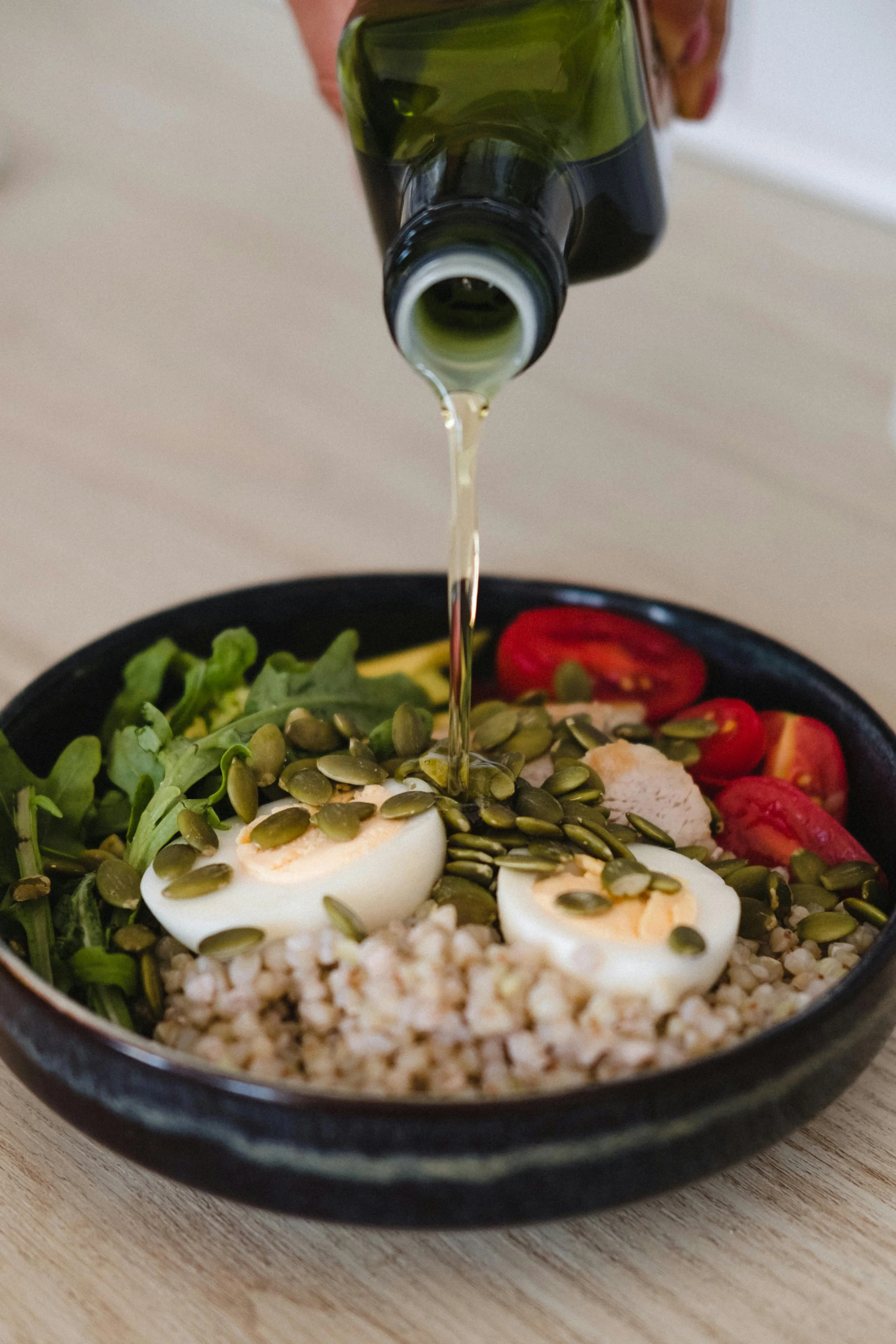
Whatever food means to you, there is a lot of controversy surrounding it — right vs. wrong, good vs. bad.
But what does any of this mean? If you’re still trying to figure out what might work best for you, you’ve found yourself in the right place.
What is food to you?
Food provokes different feelings for each person. While some get hungry when they think or talk about food, others feel scared, excited or even uncomfortable. For many, food has cultural significance, and for others, it’s simply a tool needed to survive.
The personal impact of food on my life
When I was little I had some health issues, and my mom made nutritious food a very poignant matter. I was six when I was being taught that healthy foods meant vegetables in my morning scrambled eggs, and a green powder (shoutout to Green Vibrance) in my orange juice that we lovingly called “green goo”.
While I couldn’t fully grasp the full-depth of my health problems, I knew that whatever my mom was giving me day and night was helping. I had gone from being at risk for a splenectomy (having my spleen removed) to the doctors not being able to feel my spleen — a really good sign!
I have always felt lucky and grateful that eating “healthy” was ingrained in me since I was just a little girl. I prided myself in being the friend in the group that would cook a delicious veg-forward meal that everyone requested on dinner night with the girlies (veggie tacos, veggie lasagna, you name it). However, it was still many years later before I learned why certain foods are better than other foods and the impact that food can have on our bodies: positive and negative.
The problem with modern food culture, and why eating feels so confusing today
There is so much noise surrounding food on the internet that the idea of what to eat has become incredibly complicated. We’re told that fats will make us fat, or that carbohydrates are killing us. Plant-based diets are labelled protein-deficient, while diets like the carnivore diet are actually given a seat at the table, despite the blaring lack of essential nutrients.
Buzzwords are everywhere: keto, paleo, vegan, whole-food plant-based, saturated fats, fiber, trans fats—and of course, protein, protein, protein! But what do they really mean for you? Let’s dive in further…
Can I eat carbs or does my daily toast need to go?
Carbohydrates have received a LOT of bad rap over the last couple years. When it comes to carbs, we hear these terms a lot: “insulin resistance”, “blood sugar spikes”, “weight gain”.
While it’s true that there are certain types of carbohydrates that can cause some of these issues, it’s also true that carbohydrates are the body’s primary energy source. They fuel your brain (ever feel foggy when you’re depleted?), support physical demands (energy for long runs, intense workouts, or just long mornings), and often come packed with fiber; a necessary nutrient for gut health, heart health, and immunity.
So, what makes the so-called “bad carbs“…bad?
Not all carbs are the same: focus on quality
The “bad” carbs that filter through our grocery stores, pantries, and restaurants will refer more to items such as pasta, cereals, bagels, baguettes, and desserts. These items are usually filled with refined flours and sugars.
And you may be saying: “Meg, I’ve heard these terms before but what the heck does that even mean?” Don’t worry, I got you.
Refined carbohydrates have undergone processing that strips away fiber, vitamins, and minerals. What’s left is a product that digests quickly, provides little lasting energy, and often leads to blood sugar spikes followed by energy crashes. Over time, high intake of refined carbohydrates is associated with increased risk of insulin resistance, type II diabetes, heart disease, inflammation, and emerging research even links them to a higher risk of Alzheimer’s disease and dementia (Gentreau et al., 2023).
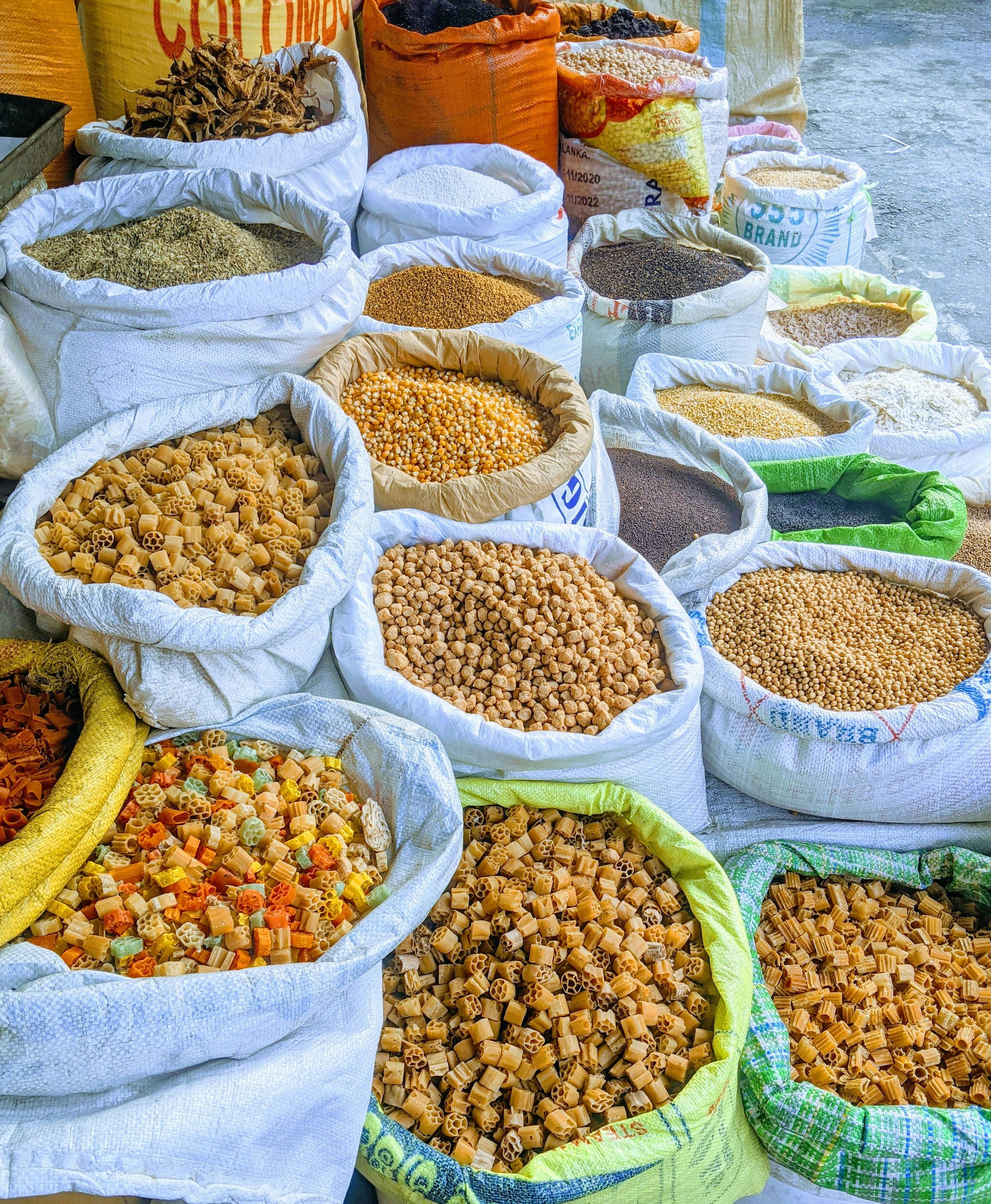
The reason that carbs have received such a poor reputation is largely in part because the modern food system is dominated by refined carbohydrates. Grocery stores are lined with shelf-stable cookies, sugary cereals, packaged breads, sweetened oatmeal, chips, crackers, frozen meals, white pasta, sodas, and energy drinks. Fast food is easily accessible, and foods once marketed as “healthy” are now being reconsidered.
But keep in mind that “carbohydrate” is a very broad umbrella term.
The good guys: fuel for your brain, body, and gut
Good carbs, or “complex carbs”, provide fiber, vitamins and minerals. They satiate us for longer periods of time, help to fuel our fuel long days and hard workouts, and promote gut health.
Fiber: The unsung hero
There are two types of fiber: Soluble and Insoluble.
Soluble fiber dissolves in water (meaning that it creates a gel-like substance in the digestive tract which helps to slow digestion). This helps to lower cholesterol and keeps blood sugar regular all which help to reduce the risk of heart disease.
Soluble fiber is further broken down into many different types, such as (but not limited to) beta-glucan, pectin, psyllium, and inulin. While you may not be able to break these fibers down, your happy healthy gut bacteria can and they LOVE it!
Insoluble fiber does not dissolve in water. Instead, this fiber passes through the digestive tract and forms bulk which promotes regular bowel movements (everybody poops, stop snickering). Regular movement helps to prevent constipation, hemorrhoids, and reduces risk of colon cancer.
The United States Department of Agriculture (USDA) recommends consuming 25g of fiber per day for adult women and 38g of fiber per day for men. While there is debate about this recommendation still being too low, the fact is that it’s a relatively moot point since a shocking 95% of Americans are only consuming an average of 16.2g of fiber per day - half the recommended intake.
Starches: your long-lasting energy awaits
Fiber is not alone! Starches are another major player. These carbs are digestible, but they break down over hours. This allows the body to receive stable energy through a longer duration of time.
Have you ever eaten a donut for breakfast, felt like you were on cloud 9, then crashed and burned an hour later? Compare that to eating a baked potato, which fills you up, keeps you satiated for hours with less energy crashing and less cravings. The difference is in the carb. Donuts are rich in refined flours, sugars, and oils, while a baked potato is simply a potato loaded with fiber, starches, vitamins and minerals.
Yay or Nay to Fats?
The other demonized macronutrient that stands large and looming in our diet is fat. It’s true that carbs and fats both have bad counterparts, however this doesn’t make the whole category go belly up. I’m sure you have heard that fat makes you fat (it doesn’t), low-fat and no-fat foods are automatically healthy (they’re not), and that fat is bad for your ticker (not all fat, no).
Fats are an essential part of our diet. It helps regulate hormones, aids in the absorption of fat-soluble vitamins and minerals, and reduces inflammation, boosts heart health, and supports cell structure.
Separating Fats from Fear
What are trans-fats?

As we all well know, trans-fats saturated many food products while they were thought to be safe. Trans fats were more shelf-stable and lasted longer periods of time than animal fats. Research into the safety of consuming trans-fats had been met with skepticism for years, as the results and findings were deemed as inconclusive by the FDA.
In fact, it wasn’t until 2015 that the “on-top-of-their-game” FDA (eye-roll, please) finally deemed trans-fats as “generally recognized as unsafe”. But don’t worry! Trans-fats had only been infiltrating our bodies and slowly killing us for over a century.
Trans-fats are a type of unsaturated fatty acid that has undergone partial hydrogenation; a process that adds hydrogen molecules to make liquid oils, which improves a products shelf-life. While this greatly benefits the food manufacturers, it has grave consequences for human health. Trans-fats increase LDL cholesterol (the bad guys), decreases HDL cholesterol (the good guys), increases arterial plaque (hello heart attack, heart disease and stroke), and ramps up bodily inflammation.
I think it’s important to note that there are small traces of trans-fats found in meat and dairy products. This occurs naturally due to the bacteria in the stomach of ruminant animals (i.e. cattle, sheep, goats), that helps to break down food. However, the primary concern are trans-fats that have been industrially produced. Common sources of trans fats include fast foods and processed foods (cakes, cookies, frozen pizzas), margarine and vegetable shortening, and animal products (in much smaller amounts).
What are saturated fats?
Saturated fats are found everywhere among the American diet. These fats are solid at room temperature (i.e. bacon fat, butter, coconut oil), but are also found in animals products (i.e. cheese, milk, yogurt).
Saturated fats are saturated by hydrogen atoms, but aren’t bonded in the same way. Our bodies can produce saturated fats from simple carbs and sugars (remember that donut?). And while it’s generally recognized as safe to eat (about 10% of your daily caloric intake), it’s still recommended to limit your intake.
High intake of saturated fats is associated with increased LDL cholesterol, plaque buildup in arteries, and higher risk of stroke, coronary artery disease, and heart attacks.
So…are there ANY good fats??
YES! Unsaturated fatty acids are not only beneficial, they’re essential! This is where our Omega 3’s and Omega 6’s come in! These guys help to lower inflammation throughout the body, decrease LDL cholesterol, increase HDL cholesterol, and improve cardiovascular function, brain health and help to protect against Alzheimers and dementia.
Healthy sources of unsaturated fatty acids can be found in fatty fish (salmon, mackerel, trout), fatty nuts (walnuts, almonds, pecans), seeds (flax seed, chia seeds pumpkin seeds, etc.), avocados, and olives.
And of course, there’s Princess Protein…
Yes, we all agree that protein is important. It plays a role in nearly every function of the human body. It builds muscle mass and strength, boosts immunity, can help to prevent sarcopenia, aids with metabolism and hormone production, and so much more. Protein, whether from plant or animal foods, is crucial for optimal functioning and living.
While it was once reserved for body builders or gym rats, protein has fortunately been recognized as important among people of all life stages . Many experts actually advocate for an increase in the daily intake recommendation.
Unlike carbohydrates and fats, protein is made up of amino acids. There are 20 amino acids that humans rely on, 9 of which are essential (we must get them from food), and 11 which are non-essential (our bodies produce them on their own).
Each amino acid has its own unique role from muscle synthesis, to collagen production, calcium absorption, circadian rhythm regulation, and even carbohydrate metabolism.
Diets, fads, and the problem with extremes
The word “diet” has been thrown around so much that it’s become synonymous with diet-fads, weight loss goals, and heavy restriction. The problem with this is that they’re not sustainable, it often leads to big rebounds in weight or even disordered eating patterns, and it’s done for the wrong reason.
Ditch the notion that you’re going to be on a diet for 2-4 weeks to lose 50lbs. A diet is a part of your lifestyle. It’s what you choose to eat day-in and day-out, that works best for your body, and hopefully is not only increasing your longevity but also increasing your health-span (because frankly, living to 100 doesn’t sound so good if you’re sick for 30 of those years). You can make small adjustments to each diet to help reach certain goals (i.e. weight loss, muscle gain, marathon training, etc.), but it’s not a total overhaul for a set period of time.
Popular diets, broken down
There are numerous diets out there linked with health benefits, weight loss, and everything in between. Let’s run through some of the most popular diets to date:
Mediterranean Diet: loaded up with fresh fruits, vegetables, fish, whole grains, beans, nuts and definitely olive oil. This diet has been linked to decreasing risk of type II diabetes, heart disease, stroke, certain cancers, and more. It’s focus is on whole foods with healthy fats, it’s loaded with fiber, and has tons of antioxidants.
Ketogenic Diet: minimizing carbohydrates, the keto diet turns its attention to eating a high fat diet diet with moderate protein intake. It’s linked to rapid weight loss (the less carbs you eat, then less water your body holds on to), improved blood sugar control, and therapeutic benefits for certain neurological and metabolic conditions. Important to note that it may lead to nutrient deficiencies (by eliminating whole categories of food), GI issues from restriction of fibrous foods, and can be hard to stick to due to the restrictive nature.
Paleo Diet: focusing on whole food consumption from the hunter-gatherer model to try to mimick what was eaten during Paleolithic times. This includes eating lean meats, fish, nuts, seeds, fruits and vegetables. While the diet is pretty nutrient dense due to eating whole foods, there are eliminations of entire food groups, which can lead to certain mineral and/or vitamin deficiencies, as well as decreased fiber intake. This diet does cut out processed foods leading to better blood sugar and blood pressure regulation, and decreasing risk of chronic disease.
Whole Food Plant-Based Diet: this diet centers around fruits, vegetables, grains, beans, nuts, seeds, and legumes, while entirely cutting out the consumption of animal based products (meat, dairy, fish and eggs) and processed foods. This diet is linked to increased heart health, weight management, decreased risk of neurodegenerative decline and reducing the risk of chronic diseases and some cancers. It’s a nutrient dense diet full of fiber, vitamins, and minerals. This diet has been linked to certain deficiencies, such as vitamin B12, Iodine and EPA and DHA omega-3 fatty acids.
Vegetarian Diet: similar to a whole food plant-based (WFPB) diet, vegetarianism focuses on fitting a lot of plants into the diet while minimizing animal-based products. Vegetarian diets contain many of the same benefits as a WFPB diet. Being high in fiber, phytonutrients and polyphenols from the plants, it’s linked to lower risk of heart disease, improved gut health, improved weight management, and package in the same risks. There are different dietary options in this category, such as:
Lacto-vegetarian (eats dairy, but eliminates eggs, meat, and fish)
Lacto-ovo vegetarian (eating eggs and dairy while eliminating meat and fish)
Ovo-vegetarian (eating eggs while eliminating dairy, meat, and fish)
Flexitarian (eats primarily vegetarian but on occasion consumes meat and fish)
Pescatarian (eats vegetarian with inclusion of fish, but still eliminates other meat).
So, which diet should you choose?
The best diet to choose is the one that you can live with. I know, it’s such a cliché. BUT it’s also incredibly true.

We’re all different, with different lifestyles, health conditions, goals, and preferences. For some, cutting out carbs and sticking to a keto diet may be the bee’s knees, while for others, it’s pure treachery — it may be too restrictive, and exhausting for the body. Some may notice sustainable habits and improved health markers on a WFPB diet, while others find they miss their morning egg scramble.
There is no one size fits all in the approach to food. You can mix-and-match practices, hold onto what works, and let go of what doesn’t. Build an eating pattern that supports your life, goals, and health. Unless you’re managing a medical condition under professional guidance, experimenting with different approaches for several weeks at a time can help you discover what truly works for you. You don’t need to fit into someone else’s way of eating—your way of eating should fit you.
Meg’s approach to food
Personally, I opt for a balanced eating approach. I choose to eat primarily a WFPB diet because I feel at my best mentally and physically, but I do occasionally eat red meat and fish. While this approach may feel controversial in a world filled with dietary wars and extremes, it’s simply what works best for me.
My diet is higher in carbohydrates and packed with fiber, moderately high (about 2.2g/kg) in protein, and low in fat. This balance helps me feel lighter overall, works well for my digestion, keeps my mind sharp, supports consistently healthy bloodwork and has noticeably improved my training.
I work hard, I train harder, and I eat really well. However, I still eat desserts with refined carbohydrates, refined sugars and heavy with saturated fats. I love donuts, bagels, and croissants; and pumpkin pie will always have a spot in my tummy. While I don’t eat these foods every day, I do enjoy a sweet treat each week. For me, allowing these foods reduces food noise, prevents intense cravings, and supports a healthier, more sustainable relationship with food.
Some may disagree with this approach, and that’s okay. This is what works best for me, and that’s what matters.
Balance over extremes
To close this out, the question is not always “to carb or keto”. The question is whether your way of eating support your health, energy, ethics, and builds sustainable and lasting habits. Balanced eating isn’t about rigid rules, striving for perfection, or staying in the lines. It’s about nourishment, being flexible with yourself, and not letting food control your life, but rather just be an enjoyable part of it.
Food should fuel you, support you, and be a tool to keep you healthy. Remove the pressure to eat perfectly and eliminate the things that you love, and food becomes just that. Helpful, over harmful.
And that, my dear readers, is what matters the most.
