

Carbs Gone Wild!
Carbohydrates have stolen the limelight as our ride-or-die…at least until the next diet trend rolls in. Glorified one year and vilified the next, there has been a large build-up of confusion about carbs and whether they’re good or bad.
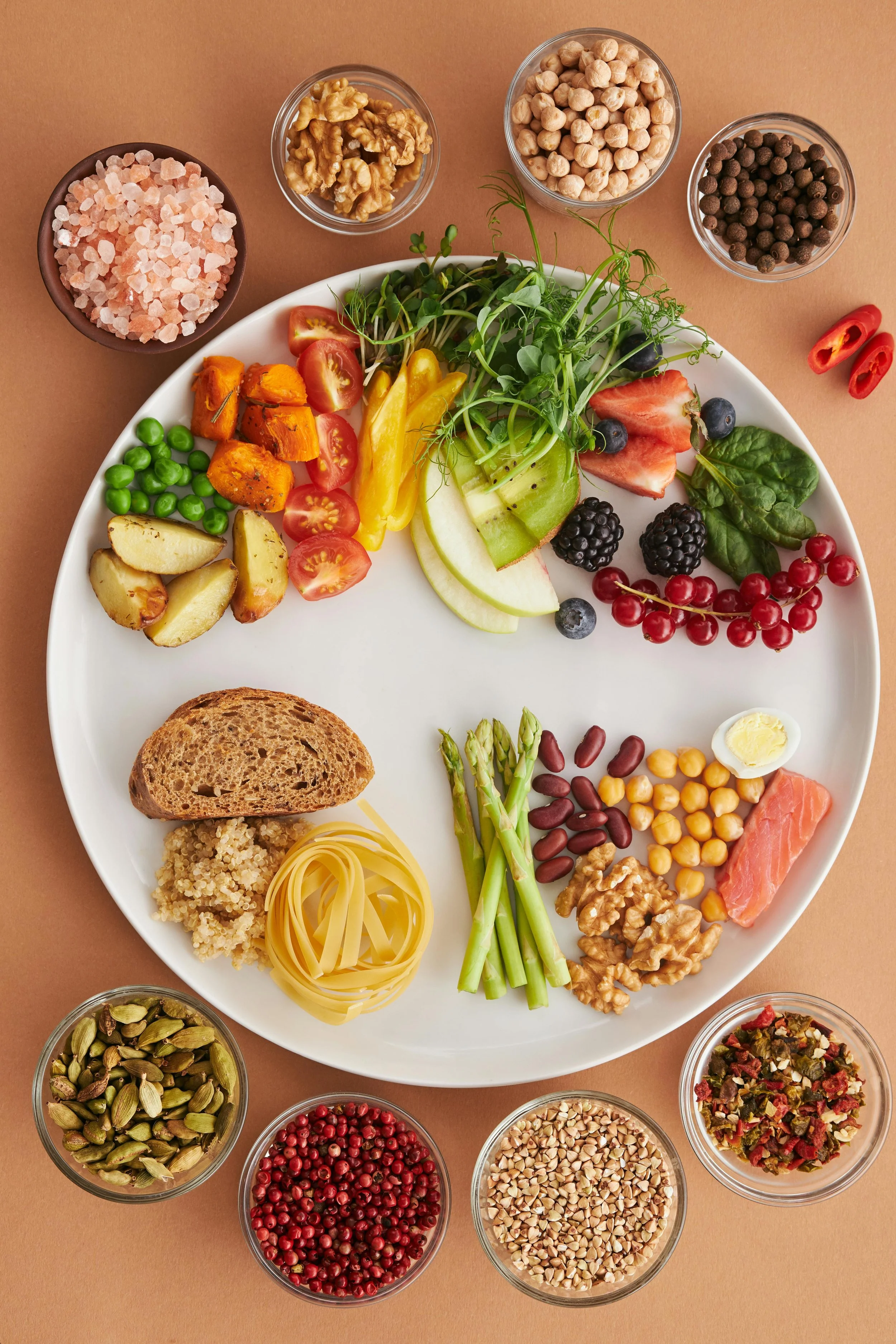
However, like fat, carbohydrates are not just “good” or “bad”. They’re simply misunderstood.
There is a lot more depth and complexity to this macronutrient. Let’s take a leap into the world of carbs to see why they’ve been both praised and punished and what they can do for you.
Aren’t carbs just…bread?
Carbohydrates are one of the three essential macronutrients that your body needs to thrive, the other two being fat and protein. For every one gram of carb you eat, you get 4 calories. According to the general guidelines, carbs should make up about 45-65% of your total daily caloric intake. Naturally, needs will vary based on the individuals needs.
Carbs play several important roles in the body, including:
serves as the primary fuel source for your brain and body
feeds beneficial bacteria in your gut
helps control blood glucose levels
helps to manage cholesterol and triglyceride metabolism
“Woah, my morning bagel can do all of that?” …No, that’s pretty unlikely. There are several types of carbohydrates that can help or hurt you. All carbohydrate molecules are made up of carbon, hydrogen and oxygen. However, how these structures form will depend on how they interact in your body.
We’ll break down carbs into two primary categories:
Simple Carbs
Complex Carbs
Let’s take a closer look.
Simple Carbohydrates
Simple carbs, to put it frankly, are all a form of sugar. These carbs are digested quickly to use for energy immediately. There are two types of simple carbs: Monosaccharides and Disaccharides.
Monosaccharides
Monosaccharides (mahn-o-sac-R-idez) are the simplest form of carbohydrates. They consist of a single sugar molecule, and although they can exist on their own, they also act as the building blocks for more complex carbohydrates. Because of this, monosaccharides are often simply referred to as sugars.
However, their simplicity doesn’t make them “bad.” Monosaccharides play several important roles in the body, including:
forming the foundation of more complex carbohydrates
providing quick energy during activities such as endurance exercise
supplying cells with fuel to carry out essential processes
Since they are absorbed rapidly, monosaccharides are more likely to cause a quick rise in blood sugar. While “blood sugar spikes” may sound concerning, this rapid absorption is part of their intended function — quick energy delivery when your body needs it most.
There are three primary types of monosaccharides:
Glucose: the most common, found in fruits and vegetables
Fructose: naturally found in fruits and honey
Galactose: commonly found in dairy products
When naturally present in whole foods, monosaccharides are beneficial. They provide energy alongside fiber, which helps slow digestion and blunt the rise in blood sugar.
However, monosaccharides are also added to many highly processed foods and drinks. These added sugars — found in pastries, sodas, candy, sweetened cereals, flavored oatmeals, low-fat yogurt, salad dressings, and more — are digested very quickly, can cause rapid blood sugar spikes, and when consumed in excess, increase the risk of chronic diseases such as type 2 diabetes.
Disaccharides
Disaccharides (die-sac-R-idez) are another form of simple carbohydrates, but unlike monosaccharides, they’re made up of two sugar units bonded together. They still provide readily available energy, but because they require an extra step to break down, they digest slightly more slowly than monosaccharides. In this way, disaccharides act as a middle ground between very simple carbs and more complex carbohydrates.
There are three main types of disaccharides:
Sucrose: also known as table sugar; naturally found in foods like maple syrup, honey, and sugar cane, and commonly added to candy and processed foods
Lactose: the naturally occurring sugar in dairy products
Maltose: found in grains such as barley and wheat, and often used to make sweeteners
Like monosaccharides, consuming disaccharides in excess can contribute to weight gain and increase the risk of chronic conditions such as type 2 diabetes.
Another issue can arise when the body lacks the enzymes needed to break the bond between the two sugar units. Enzyme deficiencies — such as low levels of lactase, sucrase, or maltase (the enzymes responsible for breaking down lactose, sucrose, and maltose, respectively) — can lead to gastrointestinal symptoms including bloating, gas, diarrhea, nausea, and abdominal discomfort.
Disaccharides occur naturally in foods like milk, yogurt, cheese, beer, and sweet potatoes. They are also commonly added to highly processed foods such as candy, sodas, cereals, cookies, cakes, and other sweetened products.
Complex Carbohydrates
The unsung heroes of satiety, heart health, blood sugar regulation and weight management — complex carbs. There are two types of complex carbs we will cover: Oligosaccharides and polysaccharides.
Oligosaccharides
Oligosaccharides (Uh-li-goh-sac-R-idez) are a carbohydrate chain made up naturally of 3-9 monosaccharides. Oligosaccharides are a great intermediary between simple carbs (mono- and disaccharides) and really complex carbs (i.e. polysaccharides). These carbs are valued for their prebiotic properties, feeding the universe of beneficial bacteria in your gut.
Oligosaccharides are found naturally in fruits and vegetables such as bananas, onions, leaks, garlic, lentils, soy beans, and even human breast milk. Because of their unique functional benefits, they’ve gained significant attention in recent years. As a result, biotechnology is now commonly used to produce oligosaccharides on a large scale, making them more widely available for food, medical, and industrial applications.
Oligosaccharides are used for:
low-calorie sweeteners (i.e. some versions of Swerve)
texture and flavor enhancers (this helps to replace fat and sugar)
cosmetics to aid with moisture and preservation
pharmaceuticals for anti-inflammatory, anti-viral, immune-regulation, etc.
agriculture and livestock to feed animals and aid with crop science (growth promotion and protection)
prebiotics to aid with gut health, especially in baby formula
Polysaccharides
Polysaccharides (polly-sac-R-idez) are made up of long chains of 10 or more monosaccharides, with numbers often reaching into the hundreds, and even thousands. Because of their length and structural complexity, polysaccharides take much longer to break down, which helps keep you full, supports steady energy levels for hours, and helps prevent blood sugar crashes.
Polysaccharides are known for many benefits such as:
providing long-lasting, stable energy
supporting regular digestion
contributing to immune function
supplying fiber that feeds beneficial gut microbes
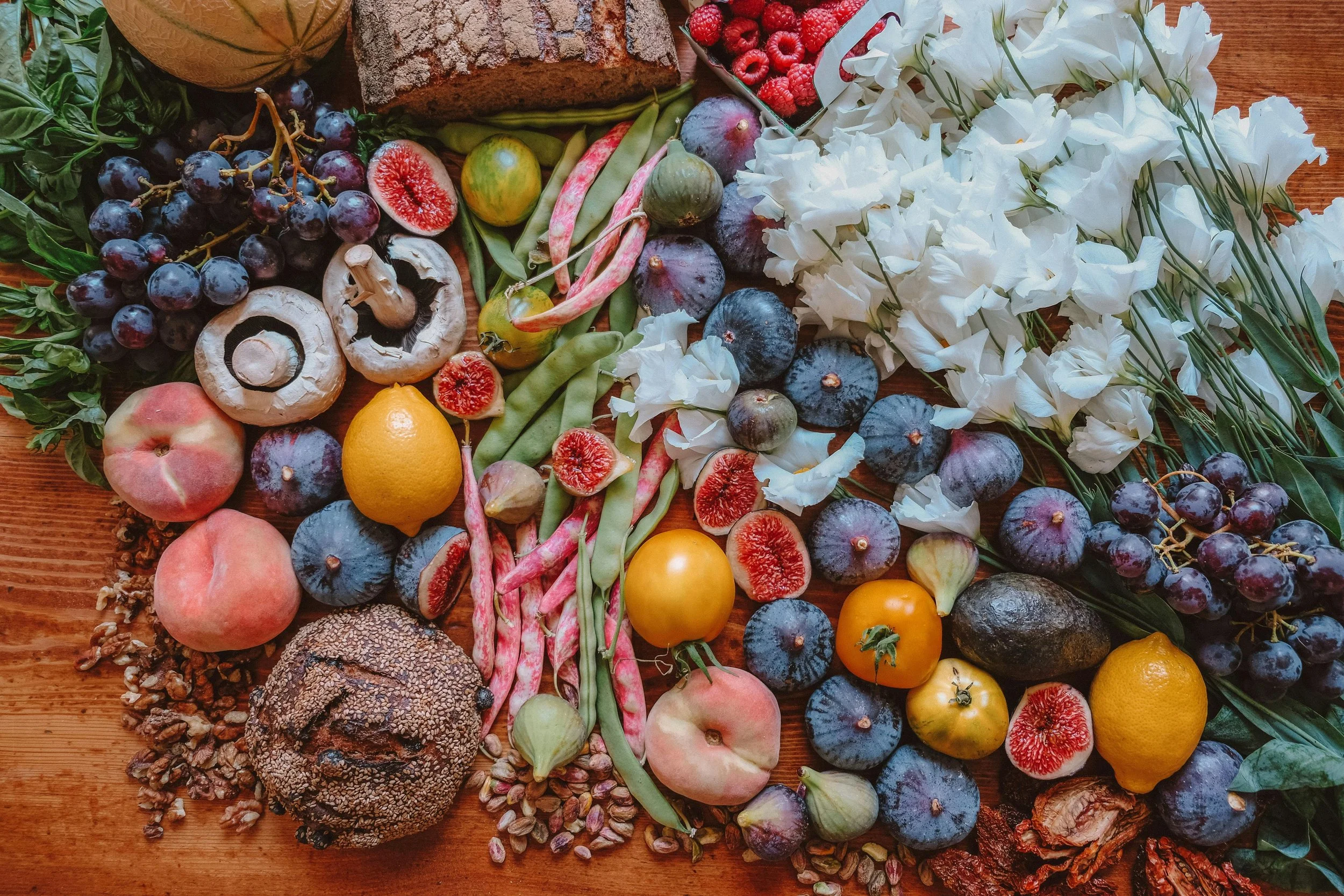
There are two main categories of polysaccharides that we will focus on today: Starch and Fiber.
Starch
Starches are complex carbs that are digestible and they provide us with energy, vitamins and minerals. Many starchy foods often contain fiber. Common sources of starch include grains, root vegetables and legumes (e.g. rice, potatoes, lentils, etc.).
There are 3 subcategories of starches:
Rapidly digestible starches: found in many highly processed foods (i.e. white bread, chips, crackers, cookies, instant potatoes); best to minimize or avoid. These starches digest very quickly, spike blood sugar levels, and can cause weight gain.
Slowly digestible starches: found in more whole-food or minimally processed sources such as legumes (lentils, beans), whole grains, root vegetables (potatoes, corn, peas), nuts and seeds; best to include regularly. These starches take hours to breakdown providing sustained energy for longer durations of time and don’t spike blood sugar levels like rapidly digestible starches.
Resistant starches: found naturally in foods such as legumes, grains, potatoes, as well as starchy foods that have been cooked and cooled (i.e. cooking pasta or potatoes then refrigerating these foods, overnight oats, etc.); best to include regularly. These starches cannot be digested by us, however they can be digested by the microbes in our colon. Our microbes love these starches and begin the fermentation process to break them down. In turn, they produce short-chained fatty acids (SCFA’s) which have been shown to be anti-inflammatory, immunoregulatory, increase gut health and help to regulate metabolism.
Fiber
Fiber is the hot new topic of conversation, and for good reason. Fiber is similar to resistant starch; it’s an indigestible form of carbohydrates that feed our gut microbiome and provides a myriad of health benefits such as:
lowering cholesterol levels
reducing blood sugar spikes
regulates bowel movements
helps to work towards lowering risk of developing certain cancers (i.e. colorectal)
There are two types of fiber: soluble and insoluble.
Soluble fiber dissolves in water forming a “viscous gel” in the gut (Alonso-Cabriales et al., 2016). This gel lines intestines and slows the rate of digestion which helps carbohydrates breakdown at a slower rate. This results in stabilized blood sugar levels and improved insulin sensitivity.
Insoluble fiber does not dissolve in water. Instead, it helps move food through the digestive tract, adding bulk to stool and supporting healthy, regular bowel movements.
Low-Fat’s Dirty Little Secret
Low-fat choices sound great and seem ideal, especially when you’re on a diet. However, here’s the dirty little secret: added sugars make up for the loss of flavor, texture, and richness when fat is removed. A systematic comparison of full-fat vs. low- and non-fat food choices showed that while the low to no-fat items maintained lower calories, they often contain more added sugars.
“Okay, but it’s lower calorie, so what does this mean for my health?”
The increase in added sugars are not only empty calories, providing little nutritional value, but also lead to rapid blood sugar spikes which put us at higher risk for developing insulin resistance and other metabolic issues over time. So while low-fat might sound appealing, it can still work against your health goals.
It’s also important to understand the difference between total sugars and added sugars. Foods like fruit, trail mix, certain granola bars, and unsweetened Greek yogurt naturally contain sugars from fruit or milk. Added sugars, on the other hand, are sugars added during processing (i.e. table sugar) and are the ones most strongly linked to blood sugar dysregulation when consumed in excess.
Confession Takeaway: The fat content in food is only a part of the equation. When choosing packaged foods, the added sugar line on the label often matters more than the fat content alone.
Fruit on Trial: The Sugar Debate
As a nutrition coach, I often get asked “What about the sugar in fruit?” Many people actively avoid fruit because they believe its sugar content makes it unhealthy.
While it’s true that fruit does contain sugar (e.g. dates, bananas, peaches, plums), fiber is packaged in too, with a cute little bow. As discussed earlier, fiber slows digestion and regulates the absorption of carbohydrates, helping to prevent sharp blood sugar spikes. This natural pairing of sugar and fiber is what makes fruit a healthy, whole-food carbohydrate choice.
But fruit offers more than just fiber. It’s also rich in antioxidants and polyphenols, which help combat oxidative stress, reduce inflammation, and support long-term brain and heart health. Make sure to eat the rainbow to diversify your antioxidant, vitamin, and mineral sources!
So the takeaway? Fruit isn’t the problem. Stripped-down sugars without fiber are. When eaten as whole foods, fruit provides natural sweetness alongside nutrients that support overall health — making it a smart and nourishing choice to include daily.
How to spot a Carb worth eating
The next time you run to the grocery store, or reach in your pantry, think about what you’re grabbing and how it may impact you.
If your food has a nutrition label, look to see how many grams of fiber are in each serving (e.g. on the back of oatmeal, cereal, bread, beans, lentils, etc.). Following Dr. Gregor’s 5:1 carbohydrate to fiber rule: divide the number of total carbohydrates by the grams of fiber in each serving. You should get roughly 5g of carbs for every 1g of fiber. If your number is much higher, it might be worth reconsidering.

That said, some of the healthiest foods you can eat come without a nutrition label. Whole foods are naturally loaded with fiber, protein, healthy fats, vitamins and minerals as well as antioxidants and polyphenols.
Foods, such as legumes, potatoes, leafy greens, squash, peppers, alliums, and cruciferous veggies (e.g. broccoli, kale, arugula) are green light sources that can and should be eaten frequently.
Another helpful question to ask yourself: how much processing did this food have to go through to get here?
Whole grains like rice, barley, quinoa, and farro undergo minimal processing from plant to shelf. Because of this, they retain more fiber, vitamins, minerals, and antioxidants. Whereas highly processed products such as all-purpose flour, sugary cereals, and refined breads (i.e. Wonder Bread) tend to lose much of their nutritional value along the way.
Tip: If you take a gander at the ingredients label, look for things you know and can pronounce. If the list is filled with ingredients you scratch your head at or struggle to say, it may be best to put it back.
Small Swaps, Big Wins
Don’t fret, nothing needs to change overnight. You can start to make a difference in your health and energy with sustainable small swaps to reap those big wins.
Try swapping:
White pasta for whole wheat or legume-based pasta (e.g. chickpea, lentil, blackbean)
Sweets for fruit (i.e. apples, bananas, strawberries, pineapples (possibly with dark chocolate or peanut butter) instead of cake, cookies, brownies, donuts, etc.)
Flour tortillas for lettuce cups
Sugary cereals for oatmeal, quinoa, brown rice, etc.
Refined sugar for natural sweeteners (i.e. dates, raisins)
Rather than restriction, you can also focus on these simple additions:
adding chickpeas, beans, and lentils to salads, soups, pastas and stews
aim for two or more vegetables per meal
fill your cart in the produce aisle, then shop the rest of the store
add hummus, guacamole, or baba ganoush and veggies for dipping to your snack-stash
The Final Confession
You don’t need to overhaul your pantry, fridge and freezer in one go. That mindset can be overwhelming, and overwhelm rarely leads to lasting change. Remember that small consistent shifts add up, and the ones that stick are the ones that matter the most.
As someone who eats well and trains hard, I want to make it clear that I still enjoy some of my red-light foods (donuts, croissants, macaroni and cheese, etc). However, I use these foods as a treat, not a normal staple or everyday indulgence. Think about Thanksgiving foods: best enjoyed for a day, but not something that we need to base our diets around.
And as always, remind yourself that if nothing changes, then nothing changes. This is your life, your health, and your decisions. Food is something you interact with every day, and every choice is an opportunity to support how you feel now, and in the future.
